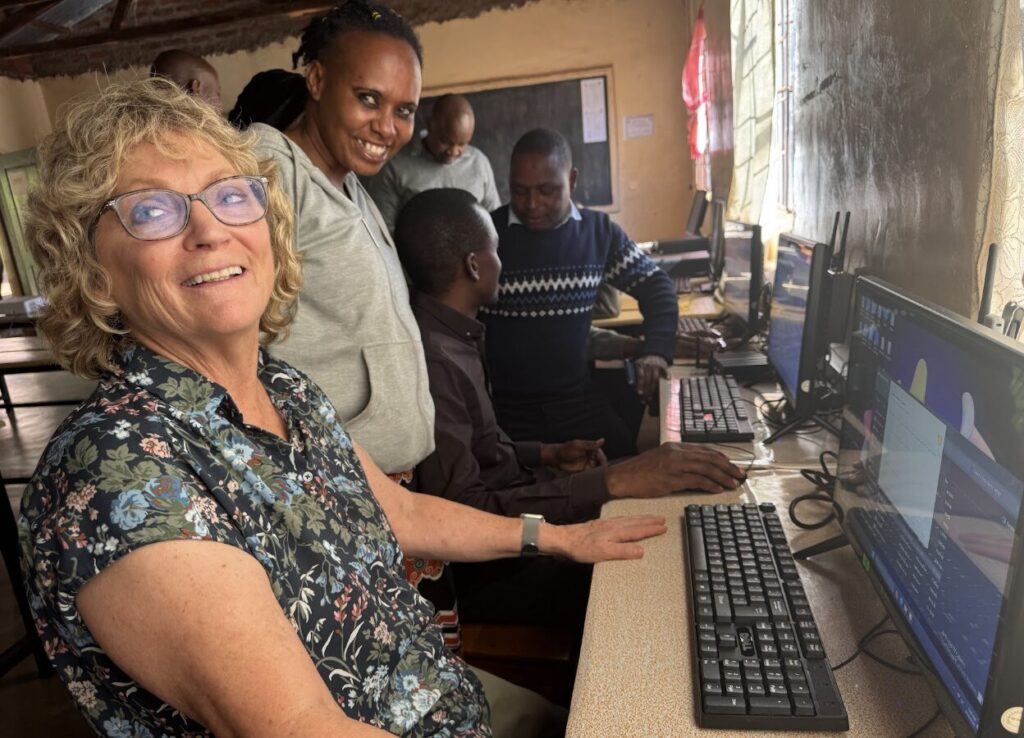
I was a teacher for 25 years, and my specialization is educational media. My passion is training teachers on useful new tools to make their teaching even better. After working with Powering Potential on a project in the Peruvian Amazon for several years, I had been dying to visit Tanzania, see the projects there, and find ways to help.
When the trip finally came together, I wasn’t going to let anything stop me — not even being told that almost nobody would be there.
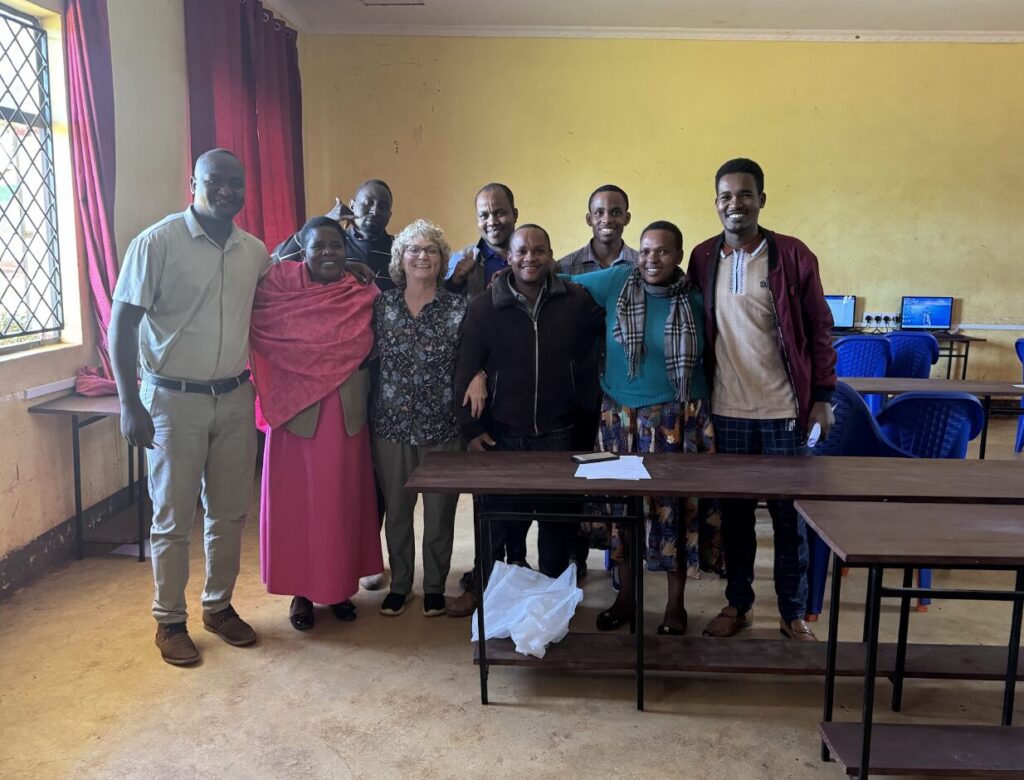
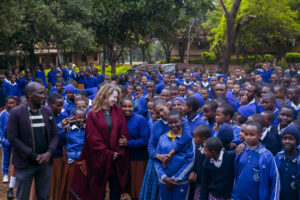
Albin from Potential Enhancement Foundation (Powering Potential’s local partner organization) had warned me that most people would be on vacation when I arrived, with maybe a few teachers around for reinforcement work. So I figured I’d go with no real plan and just talk to a couple of people if I got the chance. Instead, we ended up visiting five schools, and I trained teachers at every single one of them.
My middle name is “just in case,” so I brought a USB drive loaded with my favorite free programs and figured I’d make it work on whatever old laptop was sitting in each lab. And it did.
Simple tools, big fixes
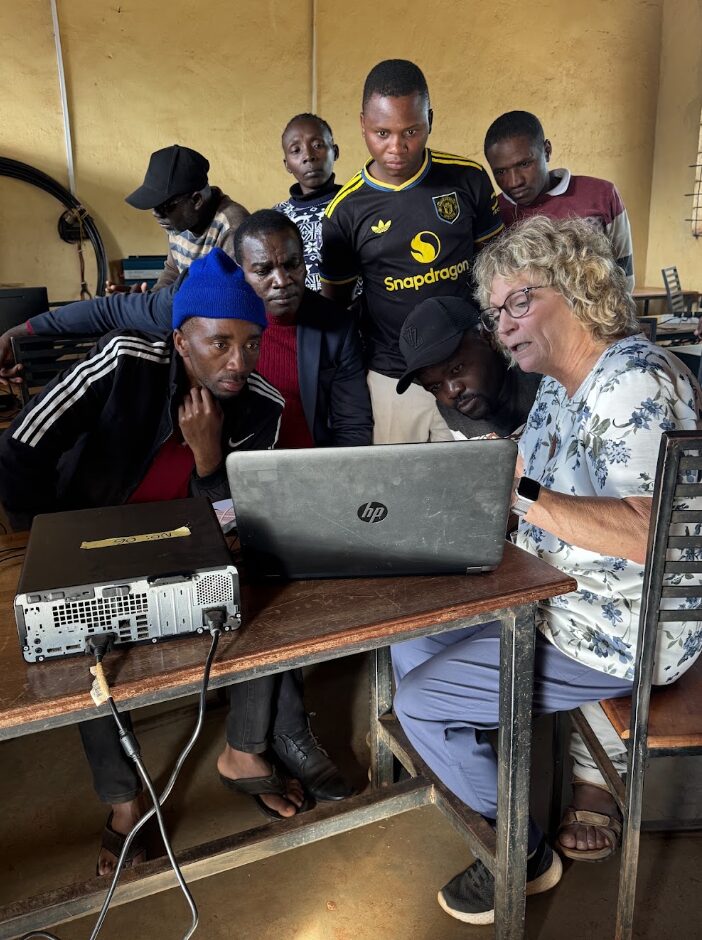
After decades in the classroom and working in Peru, I know that sometimes simple, inexpensive tools are best. Technology can help teachers engage students’ imaginations, access new information, and get through the curriculum on time. But it has to function in the environments where they work, like places where the power goes out a lot and the schools have barely any funding. (In Tanzania, it also means dust. In the Amazon, it means bugs.)
At the first school, Albin mentioned they’d been struggling to shrink photo file sizes to update teacher ID licenses. I showed them a free photo editing program. When it became clear that they couldn’t find some old files, I showed them how to locate the files. They were thrilled.
Then there were the projectors. Two of them “weren’t working,” which turned out to just mean the lamp — the bulb — needed replacing. A new lamp costs about $39 to $49, instead of buying a whole new $500–600 projector. Albin had a screwdriver out before I finished the sentence, and now the schools know how to repair their own equipment.
I also told the teachers about one of my favorite tools: a document camera. For about $50 they turn any book or worksheet into something the whole class can see on a screen.
Free, legal, and built to be reused
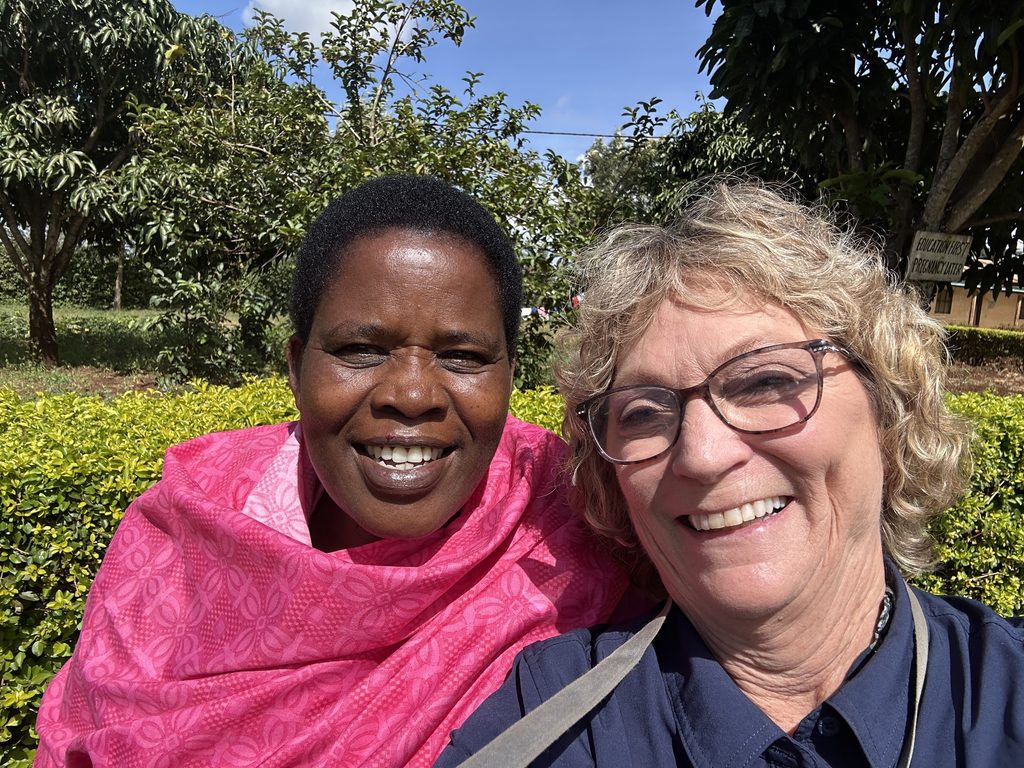
Every single program I showed them was both free and completely legal. I showed them the lessons on Khan Academy that they could tailor to their curriculum. We did an audio program where I taught them to slow down and cut recordings, so kids working through material in English could actually keep up. We did Scratch, and the teachers had an absolute blast animating their own names. I left the program, video tutorials, and instructions behind at every school so teachers could keep using it after I left.
I also showed them PhET — free, downloadable science and math simulations from the University of Colorado that don’t need a lab or internet connection to run. It turned out PhET was already sitting, unused, on old devices at one school. Someone dug them out of storage, found the right plug, and one teacher took a unit home to keep exploring it. I love finding a use for things that already exist instead of asking for something new.
The same teachers who began the day wanting to be on vacation rather than dragged into work for a workshop, didn’t want to leave. That, more than anything, is why I do this.
What’s next
I have stayed in touch with some of the teachers and plan to do more training for them remotely. I’m hoping to make this trip again, but if there’s a way to keep helping teachers and students from home in between visits, I want to be part of that too.
— Dana




No comment yet, add your voice below!