20 Years of Banjika: From One Spark to a Movement

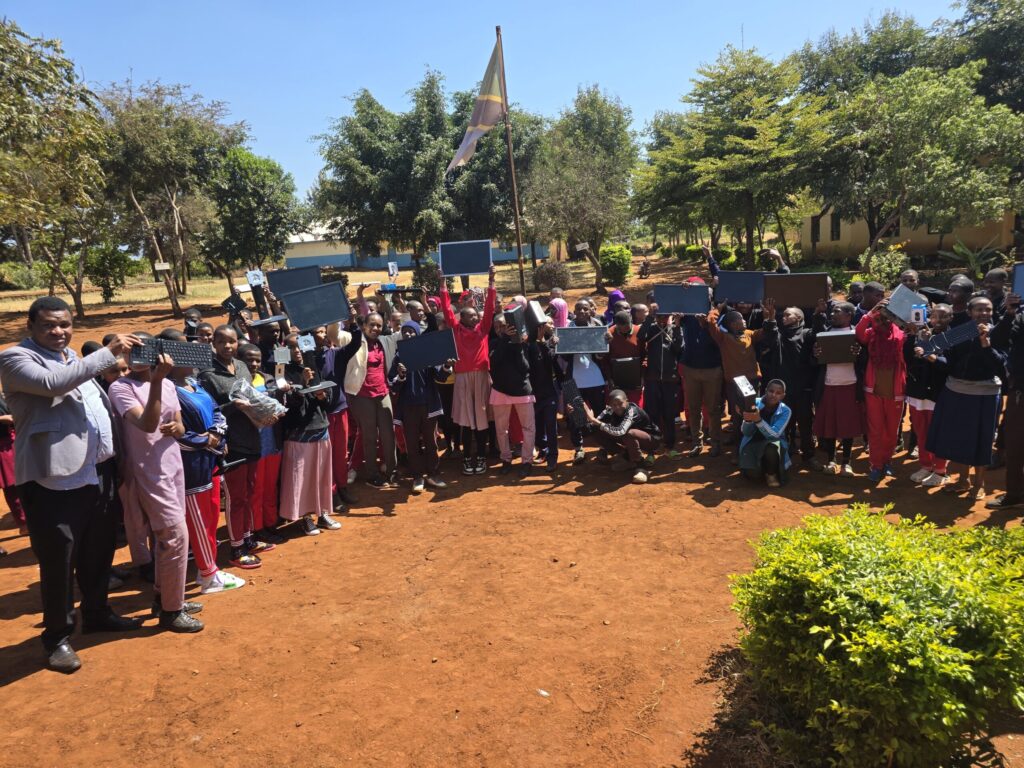
Banjika gets new computers

Twenty years ago, a simple act of hospitality set off a chain of events that would transform the lives of thousands of students in rural Tanzania.

When Powering Potential’s founder, Janice Lathen, traveled to Tanzania in 2006, she visited Banjika Secondary School, which had been co-founded the previous year by Sue Rickert, a former Peace Corps Volunteer. What Janice saw at the school inspired her to change the lives of thousands.

Despite limited resources and no access to technology, the students’ drive to learn was undeniable. Moved by their enthusiasm, Janice returned to the U.S. with a vision. The next year, Banjika became the first school in Tanzania to receive new computers, followed by a solar power system.

Among the first to use those computers was a young teacher named Albin Mathias, who taught himself digital skills on that very equipment. Those skills opened doors—and today, Albin leads the Potential Enhancement Foundation (PEF), Powering Potential’s Tanzanian partner. He now oversees every school installation, teacher training, and technology upgrade, ensuring that students across the country can access the same life-changing opportunities he once did at Banjika.

A Milestone Year for Banjika

This year, Banjika celebrated the 20th anniversary of its founding. 

To mark the occasion, we donated 10 brand-new computers. We are proud to continue our partnership with Banjika and make sure they continue to set the standard for quality education in Tanzania. This milestone levels the playing field for rural schools, opening doors to higher education and careers.

What began with a handful of computers has grown into a network of solar-powered labs serving more than tens of thousands of students each year, tripling graduation rates and making graduates ten times more likely to find meaningful employment.

Expanding Opportunity Across Karatu

As we celebrate this milestone, we are also looking ahead.

This year, with your help, we will install computers and conduct training at four more schools: Marang, Diego, Kilimamoja, and Kilimatembo Secondary Schools. Each school will soon have solar power, 20 computers, and training, giving hundreds of students a pathway to digital literacy and economic opportunity.

The Future is Digital: why skills and inclusion matter

Everyday the world sees rapid advancements in digital technology. In fact, it is reportedly the fastest growing industry since the early 2000s. Trends show technology is projected to be even more immersive in the next 10 years. 

This rapid growth dramatically affects the global economy and workforce. While digital technology increases adaptability, productivity, and innovation in economic and workplace sectors, it also can displace those who have not had the resources to prepare for such a progressive change. 

By 2030 fast growing professions will rely heavily on advanced digital expertise. Emerging fields such as coding, cybersecurity, data management, and AI-based decision-making tools will also demand digital skills expertise. 

But with over 2.9 billion people worldwide remaining offline, of whom 96% reside in developing countries1, digital inclusion and reskilling initiatives are imperative in ensuring access to economic opportunity.

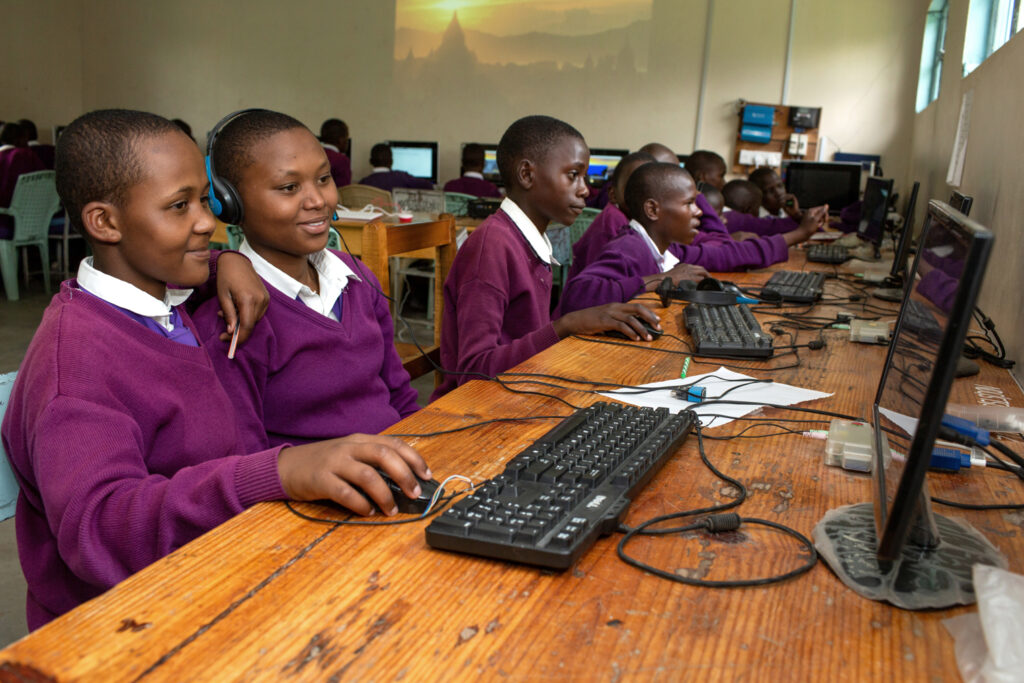
Digital inclusion for all people around the world requires access to electricity, affordable internet enabled devices, adequate digital skills, and relevant digital content. In places like rural Tanzania, where access to electricity, digital devices, and digital skills training is limited, young people are being left behind.

It is the mission of Powering Potential Inc (PPI) to bring digital inclusion to places like Tanzania. PPI uses solar powered computer labs to combat limited electricity access. Each lab includes a server with digitized curriculum, office management software, projector, and printer, along with digital skills training  for students and teachers. Students are empowered with the tools they need to continue their education and secure productive employment.

By investing in digital inclusion, we can bridge the gap between those with access to technology and those without– ensuring that no one is left behind in our rapidly evolving digital world. The future of technology should be one that uplifts everyone regardless of geography or circumstances. Together we can build a more connected, inclusive, and innovative world. 


References

  1. https://globallabormarketconference.com/pdf/navigating-tomorrow.pdf 
  2. https://www.weforum.org/stories/2019/04/skills-jobs-investing-in-people-inclusive-growth/ 
  3. https://www.gsma.com/solutions-and-impact/connectivity-for-good/mobile-for-development/blog/tanzanias-digitalisation-journey-how-to-foster-digital-adoption